The Summer Before
North Haven Island, Maine
Labor Day Weekend · September 2025
The four of them — Flora, Bill, Diane, and Ginny — took the ferry to North Haven Island, Maine, and spent the long weekend at Turner Farm. Diane was 84. It was the kind of trip that happens once.
North Haven is accessible only by ferry from Rockland. Turner Farm is a diversified organic operation on the island's high ground — weathered shingle farmhouse, hoop houses and kitchen gardens running down toward Penobscot Bay, a timber-frame barn set up for dinner on summer evenings. They stayed in the farmhouse. They had dinner in the barn, farm-to-table from the island itself, string lights overhead. The sunset from the upper fields over the bay was the kind of light a photographer waits for.
The weekend was not about the wedding. It was about Diane and Ginny being there, together, in a place that had nothing to do with logistics or ceremony. Flora and her mother and her sister on an island at the edge of the Atlantic, in early September, before everything changed. That is its own complete thing.
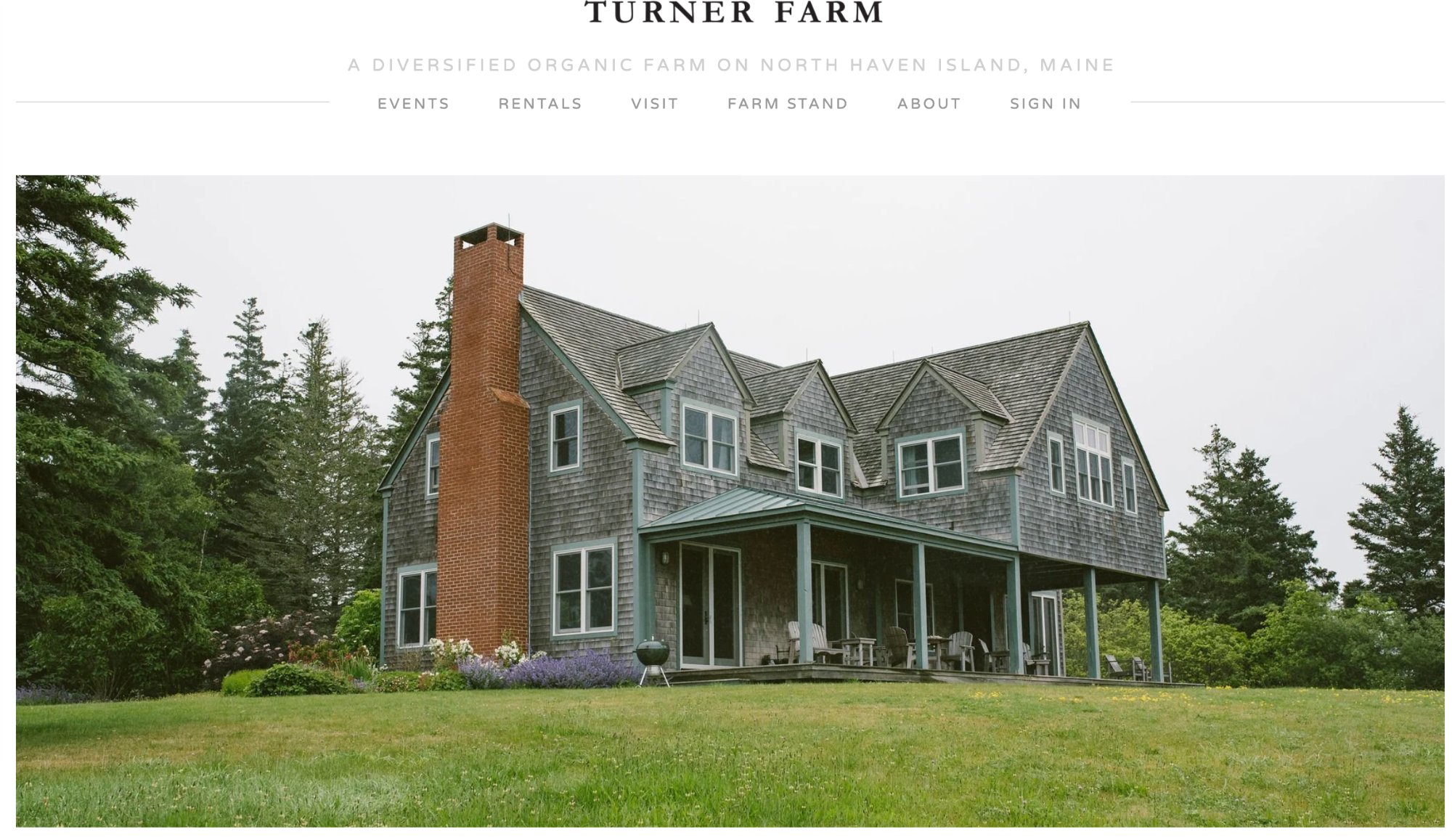
Turner Farm · North Haven Island, Maine · the farmhouse
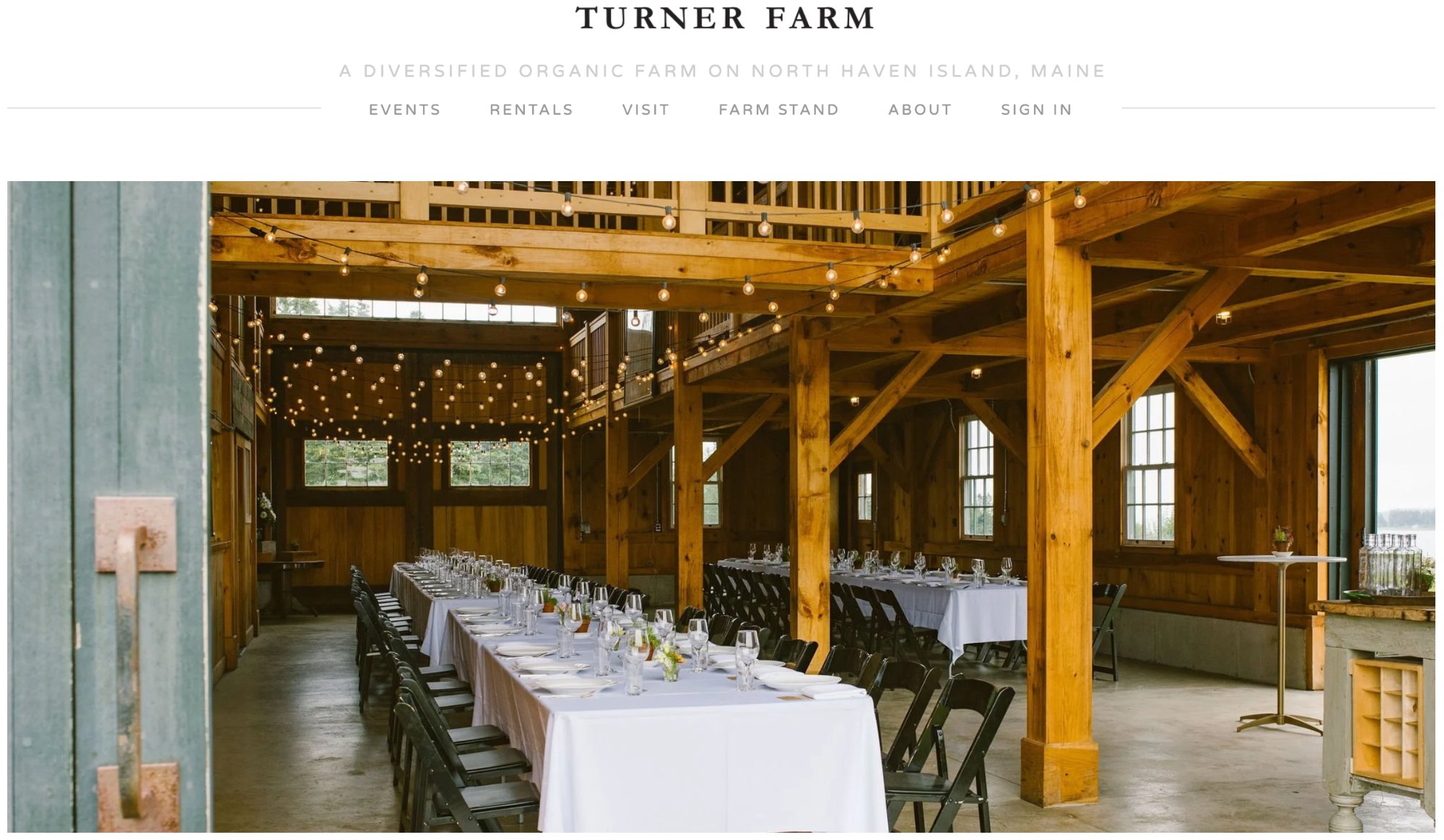
The barn · dinner for four · farm-to-table · string lights overhead
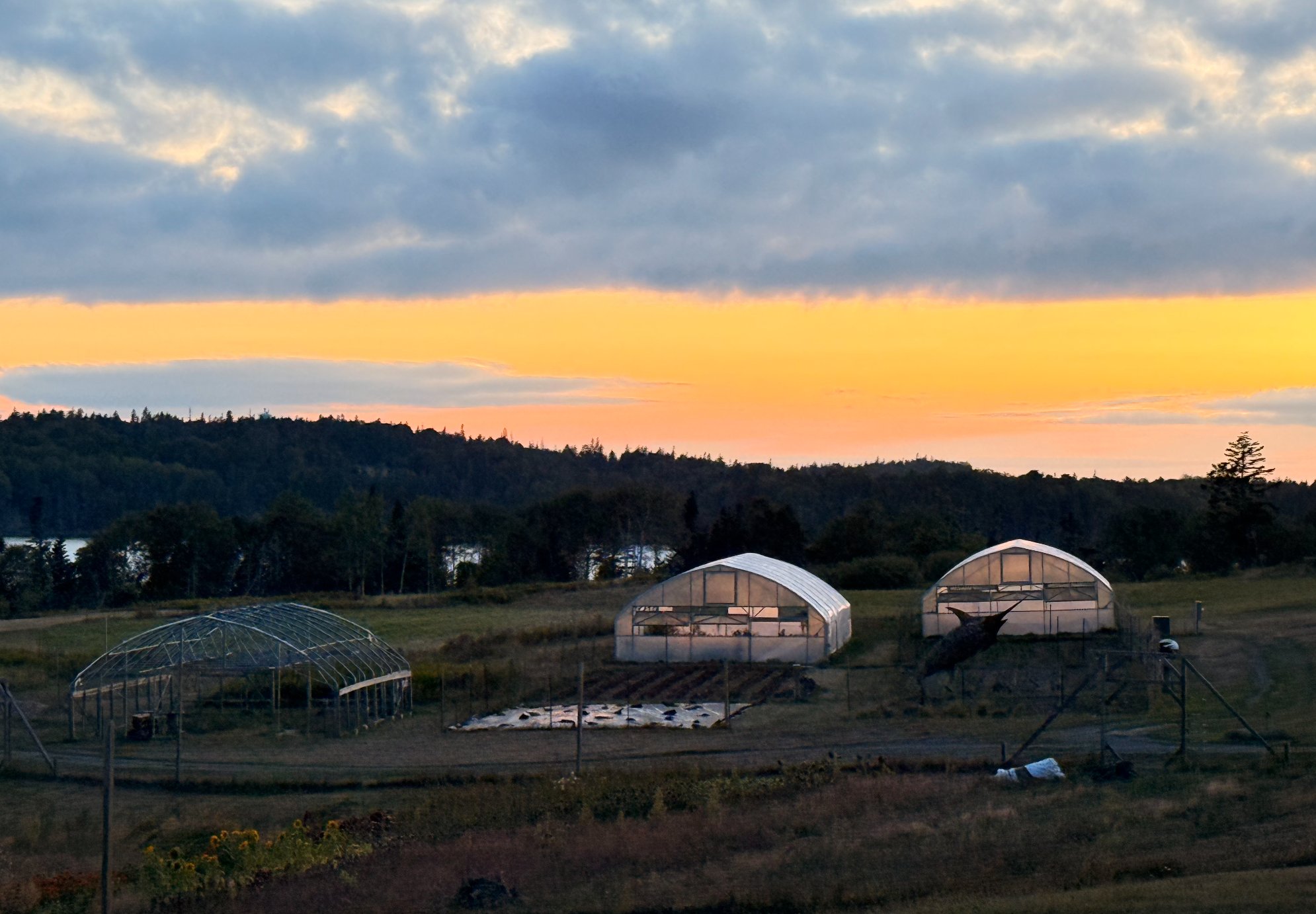
Penobscot Bay light · end of the first evening
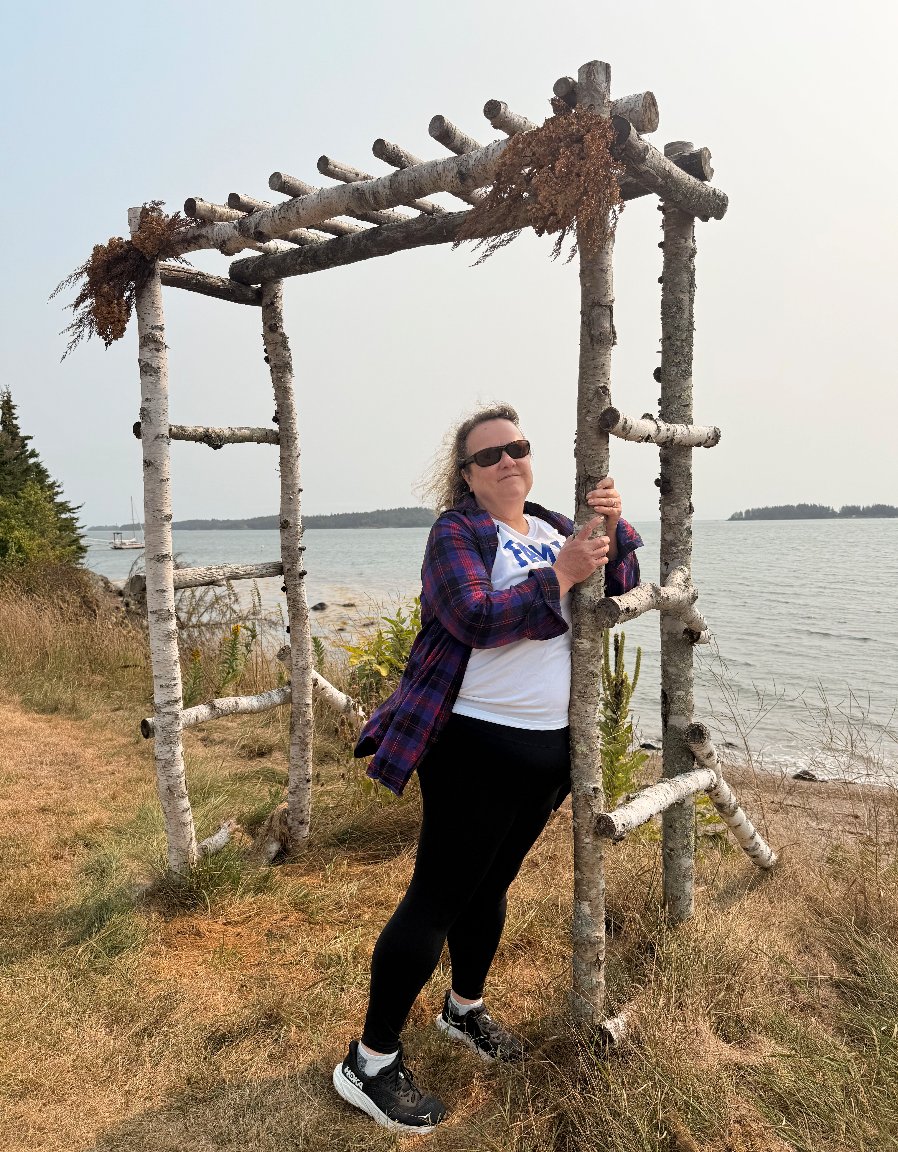
Flora · shoreline birch arbor · North Haven Island
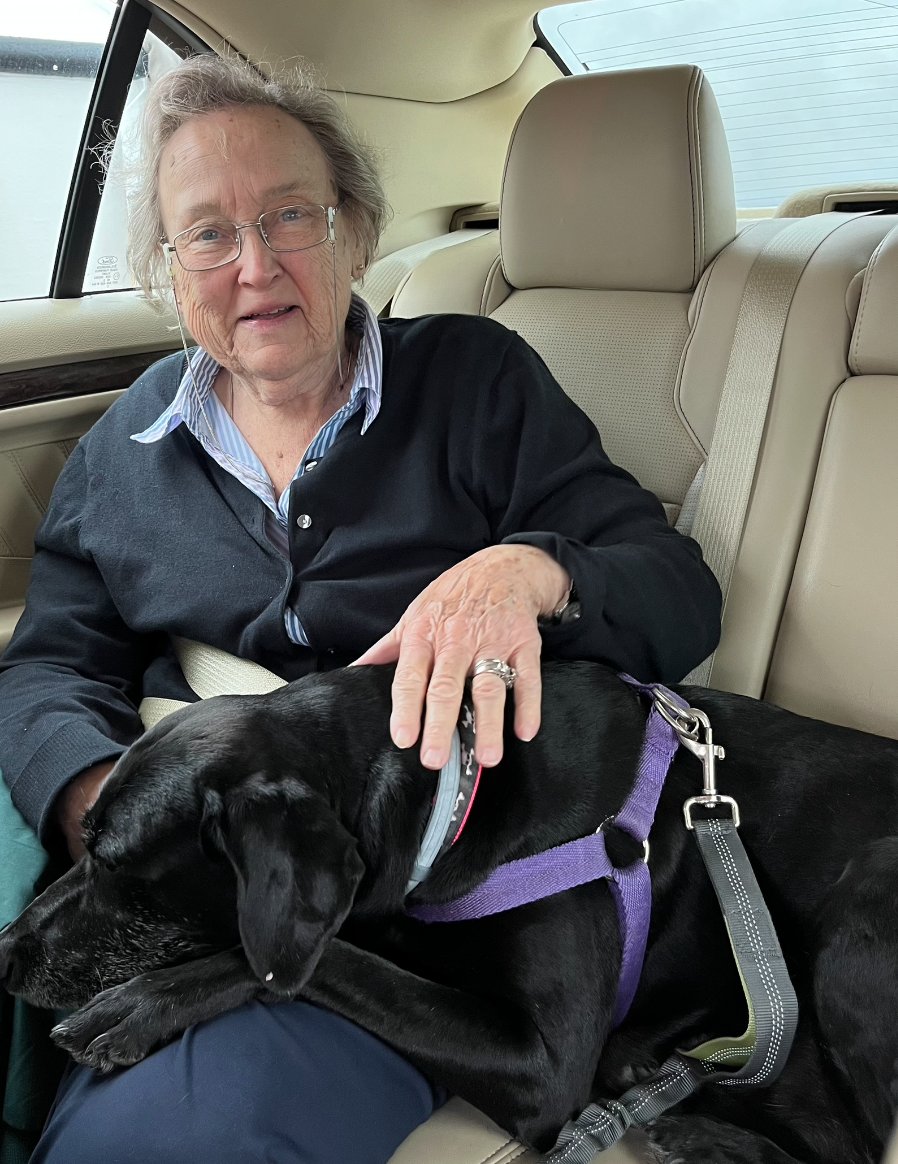
Diane · the ferry crossing · a dog who chose well
Where She Comes From
The Family
Cuba · North Carolina · Virginia
Flora comes from two worlds that had no reason to find each other — and did. On her father's side, Cuba: Oscar Nicolás Garcia was the son of Oscar V. Garcia (1901–1979) and Leonor Hernandez (1913–2005), both born in Havana. Oscar's maternal grandparents were Desiderio Hernandez (1877–1970) and Flora Fernandez (1880–1921) — the great-grandmother whose name Flora carries. She never met her; she carries her anyway.
On her mother's side, a family rooted in the red-clay counties of North Carolina since before the Revolution. Diane Ford Journigan's parents were Singleton Ford Journigan (1903–1969) and Virginia Bruce Ayscue (1908–1996) — both from Franklin County, both from farming families whose names run through the county records back to the 1700s. Singleton's parents were William Mega Journigan (1876–1941) and Minnie Lou Ayscue (1881–1963). Virginia's parents were William H. Ayscue Sr. (1879–1934) and Lelia Grissom (1887–1983). The same surnames appear in the same counties across four generations. This is what it looks like when a family doesn't move.
Diane was one of five siblings: Donald Joyner (1931–1972), Mildred Journigan (1932–), Singleton F. Journigan (1944–2006), and Judy Carol Journigan (1945–). Two of Diane's sisters will be at the wedding in Cimarron — Jean Joyner, 94, Diane's eldest surviving sister, and Judy Kallgren, 80, the youngest. They are Flora's aunts. Flora is close to both of them. Their presence on August 14th closes a long loop: the North Carolina side of the family, Journigan women whose people built Liberty Christian Church and farmed the same land for generations, standing in the New Mexico mountains to watch Diane's daughter marry.
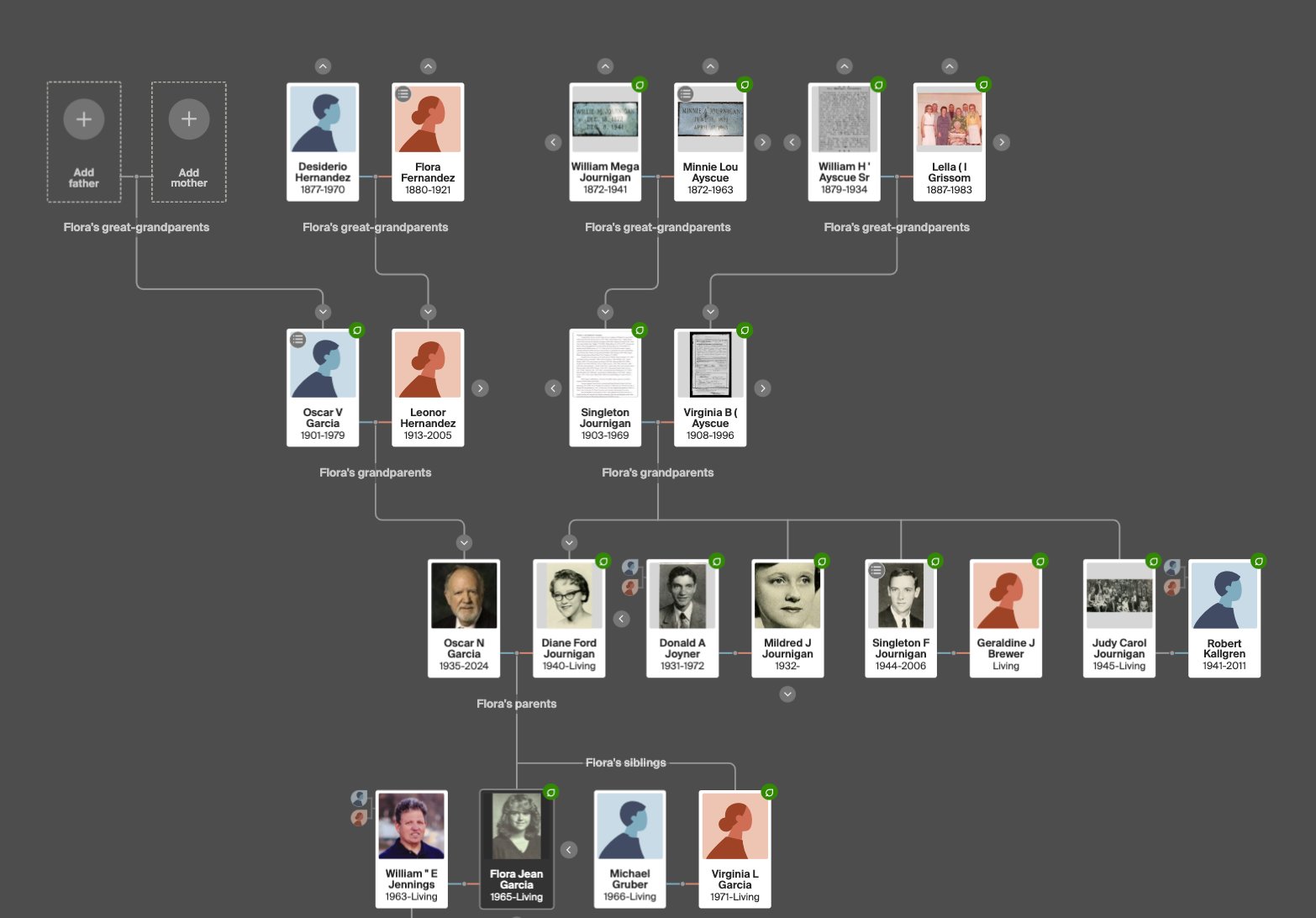
Flora García · Family Tree · Four Generations
Garcia line (Havana) · Journigan–Ayscue line (Franklin & Vance Counties, NC) · Flora Jean Garcia, 1965
Flora's sister Ginny — Virginia L. Garcia, born 1971 in Florida — will be at Casa del Gavilan as logistics anchor and family witness. Flora was born in Virginia and named nothing of the kind. Ginny was born in Florida and named Virginia. That inversion is theirs alone.
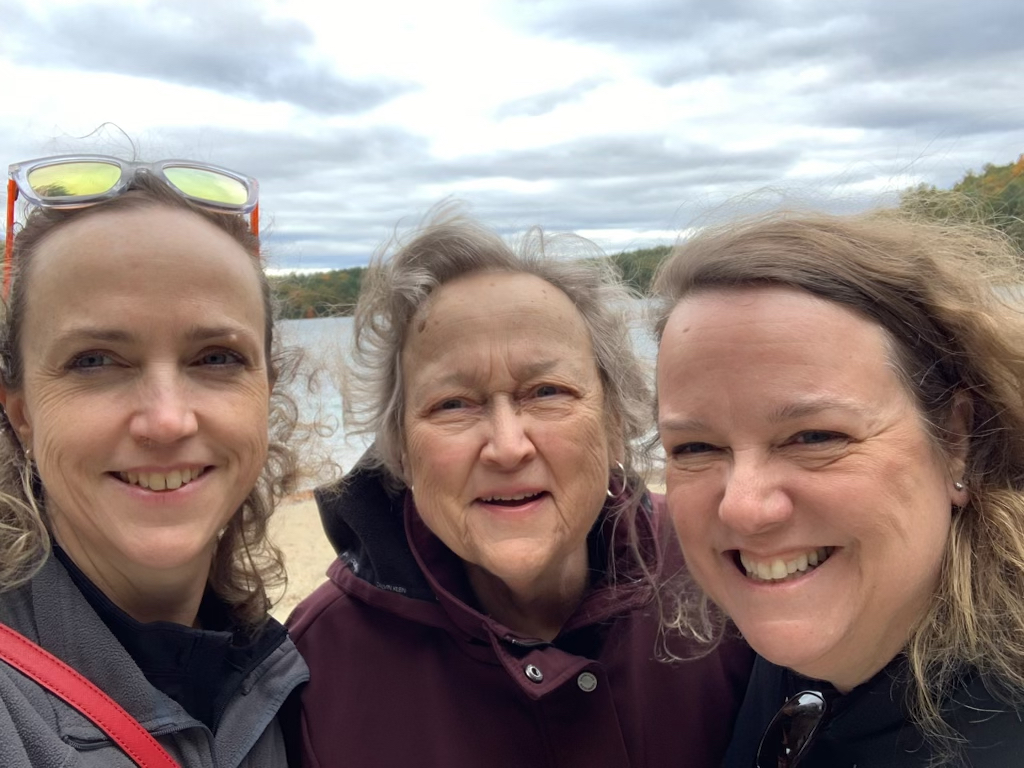
Ginny · Diane · Flora · three of them, together
Who She Is
The Arc
Norfolk · Tampa · Durham · New York · San Jose
Flora García was born on October 27, 1965, in Norfolk, Virginia — where her father Oscar was on faculty at Old Dominion University. The family moved to Florida, where Flora and her sister Ginny grew up. Flora was born in Virginia and raised in Florida. Ginny was born in Florida and named Virginia. The sisters carry each other's origin states in their names and their birthplaces, swapped — a quiet inversion that belongs to this family and no other.
She came from a dinner-table household. Books on every surface, Spanish spoken, her mother Diane teaching Spanish at Tampa Preparatory School — the same school Flora attended. Flora graduated valedictorian in 1983, and was a member of the A.S.S. Club — the Association of Spirited Seniors — which tells you she has always known how to be serious and not take herself too seriously at the same time.
She has spent her career at the place where words and law overlap: Duke CS and economics, then journalism at UNC (thesis, 1994–96: the future of digital news delivery, written before the web existed as a medium), then Fordham Law evenings while working full-time. Two decades at the frontier of privacy, cybersecurity, and the legal architecture of the internet. CISSP. IAPP Fellow. She is the person you want when the stakes are real and the language matters.
She reads photojournalist portfolios professionally. She knows what a great image costs and what it carries. She is not a civilian in the room when Justin is working.
Tampa Prep
1983
Valedictorian. Her father had graduated valedictorian of his high school in Havana. The line runs straight. The spirit was her own.
Duke ·
UNC
CS and economics, then journalism school. UNC thesis, 1996: Toward a Richer Reading Experience: A Dismissal of the Current Newspaper Metaphor for the Online Delivery of News. She wrote about digital journalism before it was journalism.
The
Binder
Duke gave her a group of friends she has never let go of — and they have never let go of her. They travel together. They have weekly calls. When there is a crisis, they show up. When Flora had a health issue while Bill was working, Bob came and stayed with her. They call themselves the Binder. The name says everything about what they are to each other.
Fordham
Law
Evening program, 2003–07, while working full-time. IP, media, entertainment, privacy. Editor Emeritus of the law journal. The journalism instinct and the legal mind found each other.
Time Inc.
to Now
Digital publishing lead, then McAfee Global CPO, Wayfair, Albertsons. Two decades of privacy, cybersecurity, and the legal architecture of the internet. CISSP. IAPP Fellow. In 2022, co-founded the Forte Group — a nonprofit for senior women leaders in cybersecurity.
Nov 17,
2018
Chef Chu's, Los Altos. She was sitting alone. Bill walked in. That was luck — pure, unearned, improbable luck.
2023
She and Bill bring Henry to Rayado. They stay at Casa del Gavilan. They look at each other across the large bedroom. The venue chooses itself.
August 14,
2026
First wedding. Sixty years old, standing at the foot of the Tooth of Time. What we need is here.
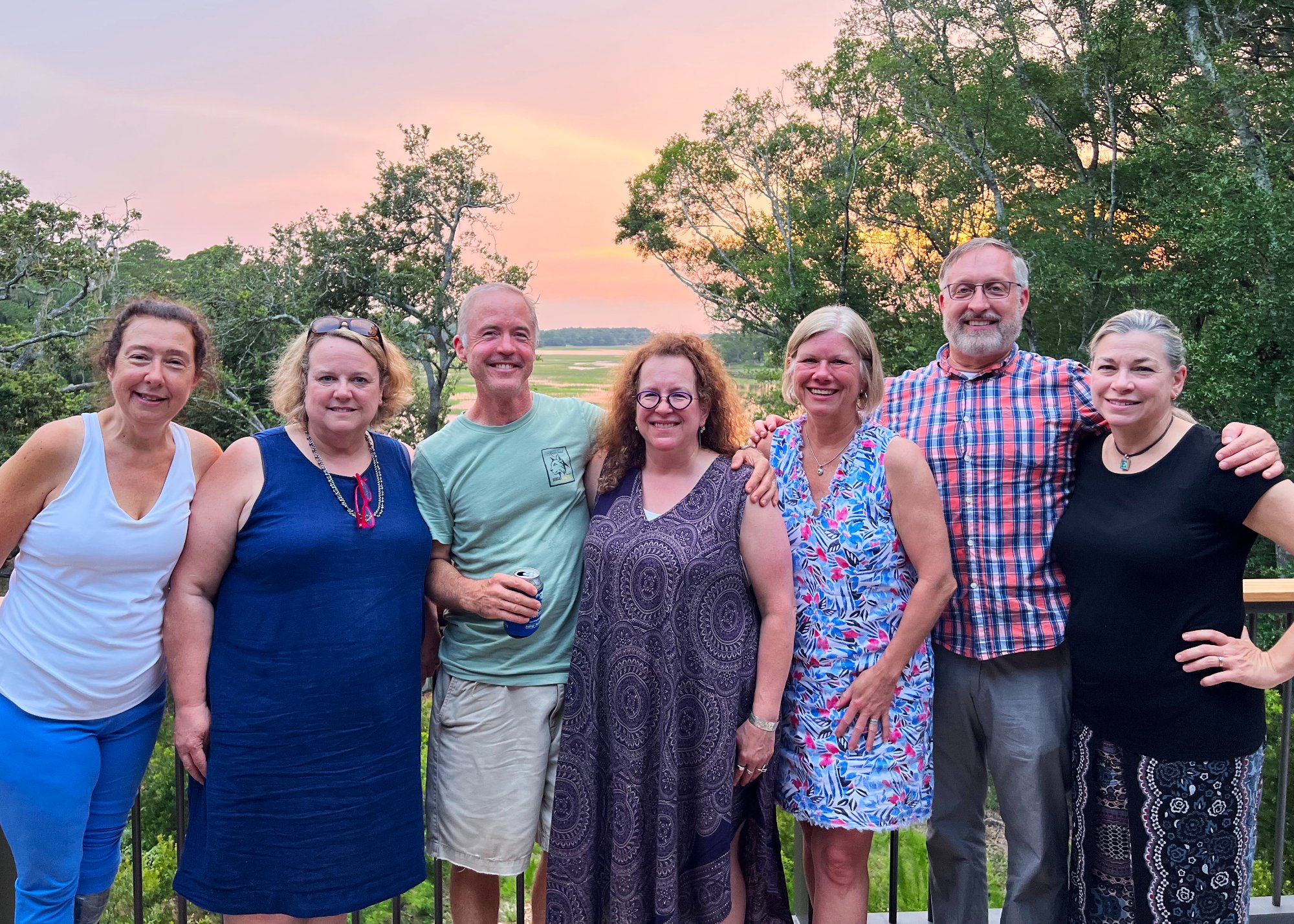
The Binder · 2025 · four decades and counting
Weekly calls · travel together · show up when it matters · Flora, second from left
What She Brought
Walking In
2018 – Present
She walked into a full life. Five kids and half a century of memories — Scouting, Philmont, merit badges, ranger bells, Eagle Courts of Honor, eleven staff seasons, seven pounds of steak, a cast iron stove packed into a roadless camp. A family with its own language, its own land, its own gravity.
She made it home.
She took them to Pau. She took them to Italy. Bill's children — Will, Olivia, Henry, Mark, Ellie — became hers without ceremony, the way the best things happen.
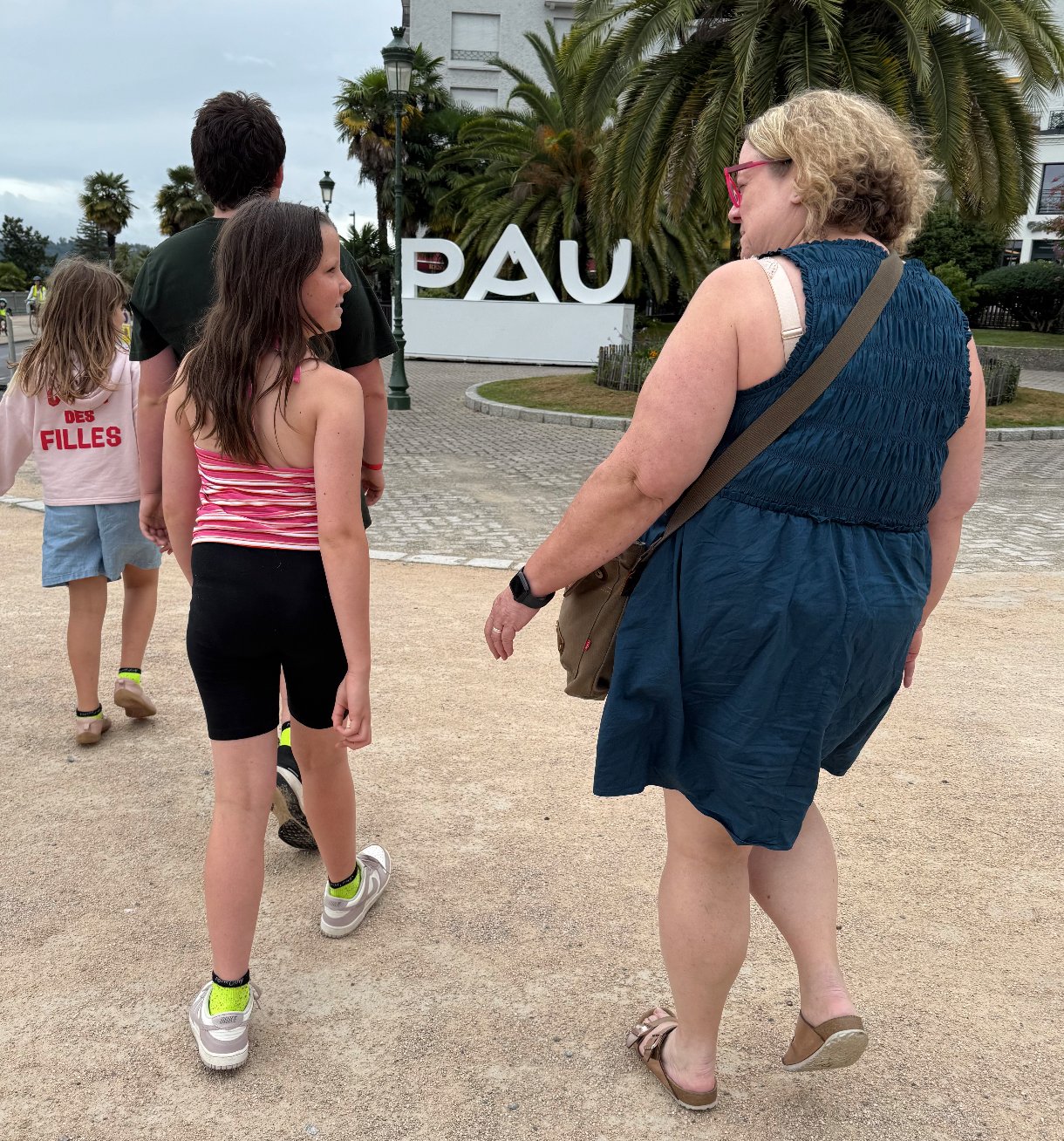
Pau, France · she brought them here
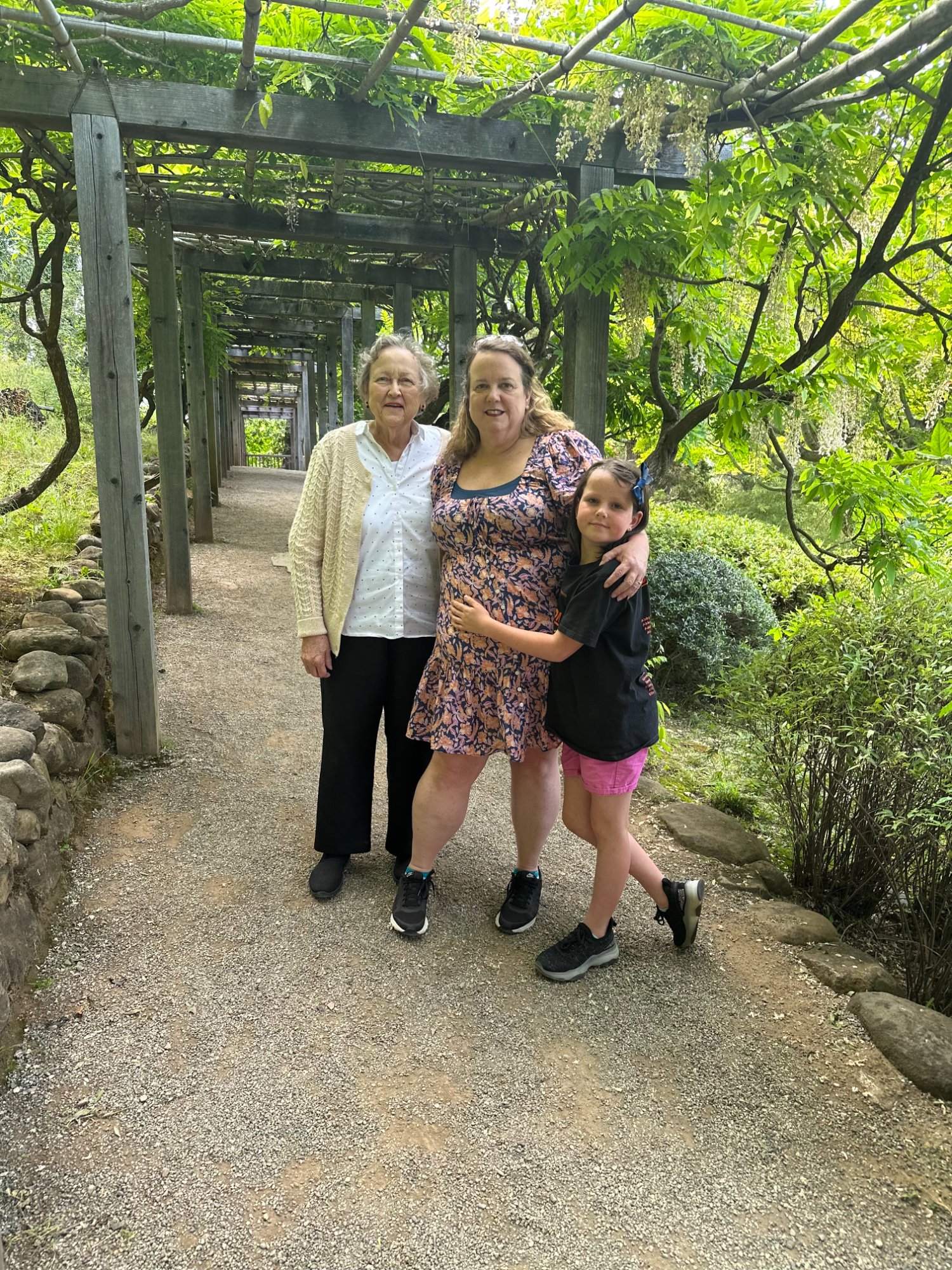
Diane · Flora · Ellie · Hakone Gardens, Saratoga
Flora's mother and Bill's daughter, together — the bridge between them is Flora
She stepped into our constellation and brought it into sharper light.
Then there is Philmont. Philmont is not easy to explain to someone who has not been there. Flora found this out firsthand: she was in an outdoor gear store when an employee started describing a repair he once made to his pack while hiking in New Mexico. She knew immediately. She said so. He looked up. That is exactly how it works — the specific recognition, the shorthand that doesn't need to be spelled out.
She gets it not because she staffed it or hiked Rayado. She gets it because she was paying attention when it mattered, because she stayed at the Casa with Bill and watched what happened to Henry, and because she is the kind of person who notices what things cost people and honors that.
That same Labor Day weekend, Flora was at Camp Hi Sierra for family camp — and when breakfast needed to happen for 200 Scouts, she got in the kitchen. Blue gloves, floral dress, bent over an industrial egg station with racks of bacon stacked to the ceiling on her left. Nobody asked her to. That is not a detail that needs explaining.
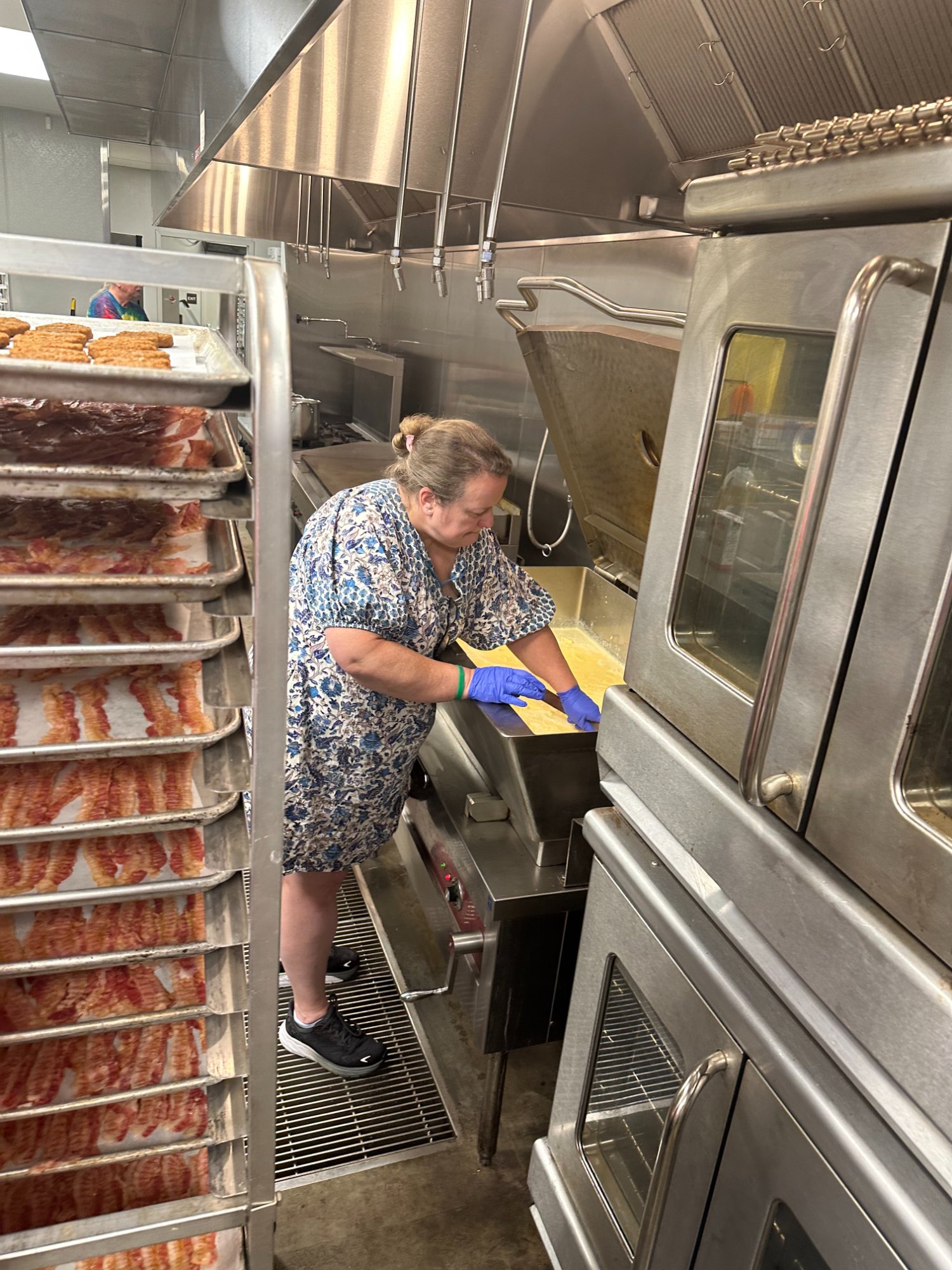
Camp Hi Sierra · Family Camp Weekend · Labor Day 2025
Flora cooking breakfast for 200 Scouts · she was not asked · she just did it
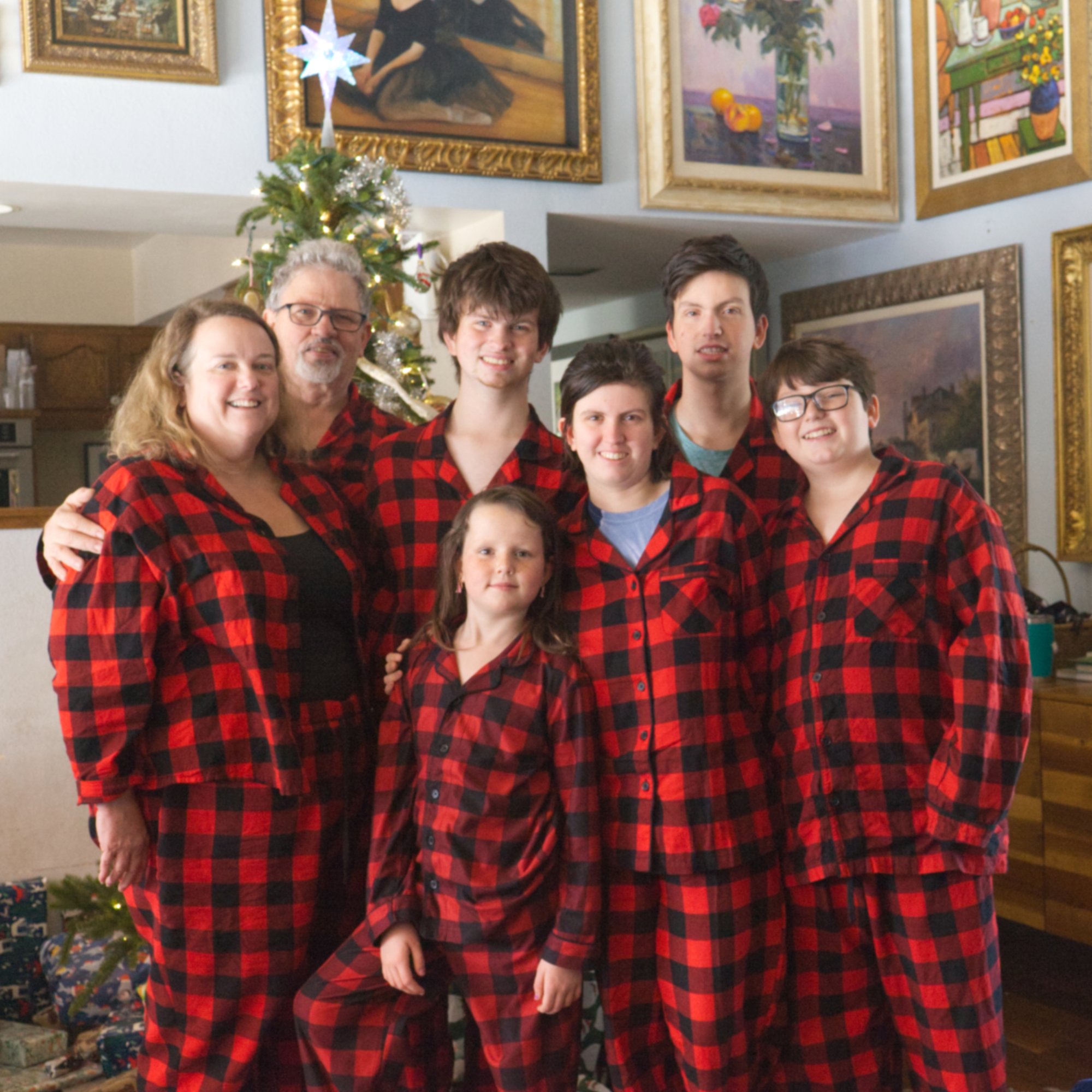
Christmas 2022 · the whole family · red plaid, as required
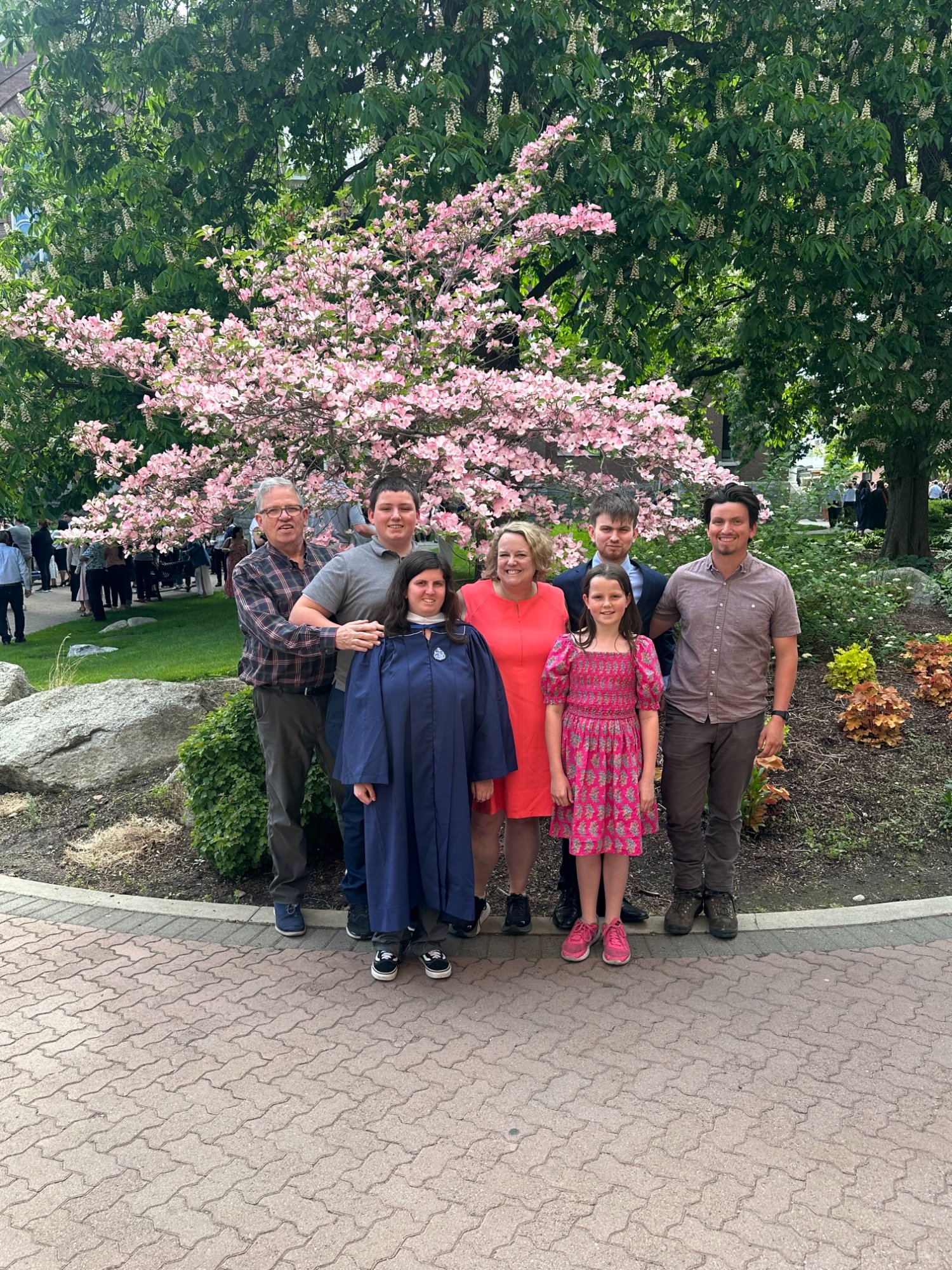
Olivia's graduation · Gonzaga University · she was there
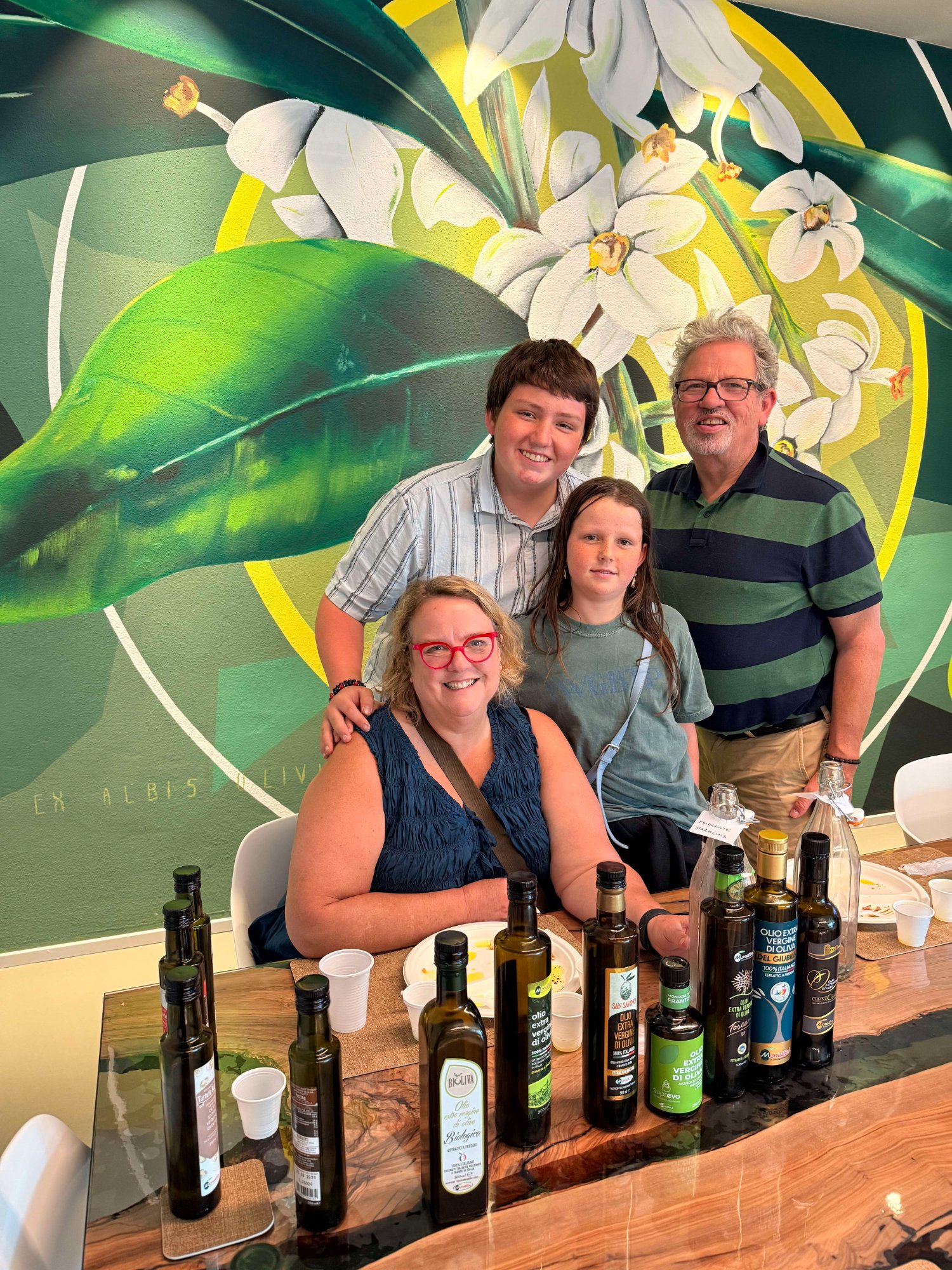
Olive oil tasting · Italy · Flora, Bill, Mark, Ellie
She took his kids to Italy
They cook together — not the grinding weekly logistics of keeping growing teenage boys fed, but the other kind. The kind where someone says let's go to H-Mart and find something we've never made, and two hours later there are dumplings on the counter or a Korean beef and cabbage soup going on the stove. One week Bananas Foster, flame and all. The cooking is its own conversation.
Flora is the baker. She makes homemade bread for the family — regularly, not as a special occasion. Bill is her faithful sous chef, and has been reliably informed that he chops onions better than anyone else in the family. He has accepted this role with appropriate dignity.
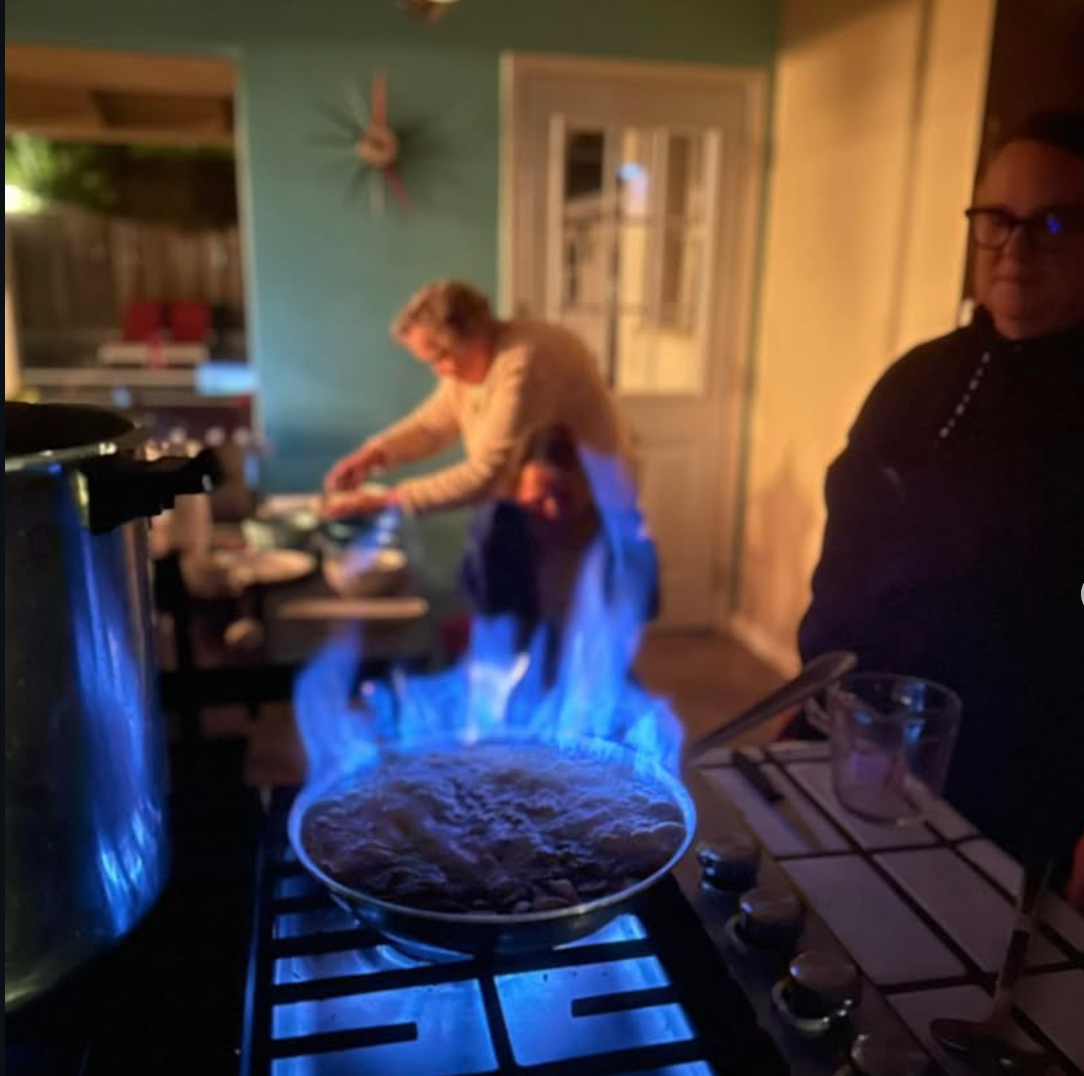
Bananas Foster · not for the faint-hearted · Diane watching from the right
One week Bananas Foster · another week Chinese dumplings · another week Korean beef and cabbage soup · this is what they do together
I love the way you see the world — how you notice the rustling leaves of an old aspen, how you see light turn water to fire.
Bill's vows, August 14, 2026
This is her first wedding. She is sixty years old. She absolutely hates surprises, which is why the proposal had to be only half a surprise, the weight of those words — I've been trying to propose to you — doing the work that a secret could not. She said yes. The rest of this is that yes, still unfolding.
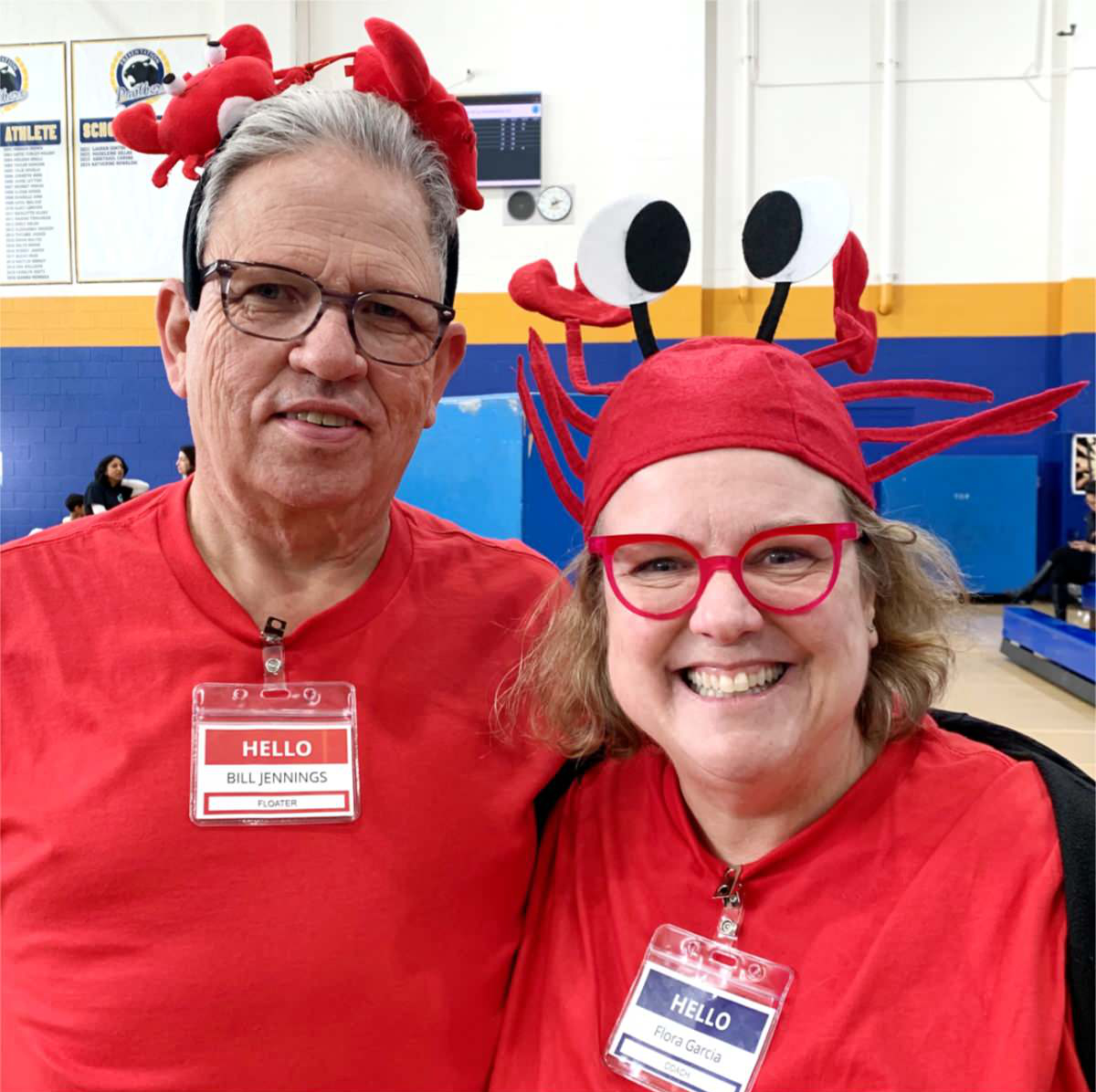
Crustacean Nation · Lego Robotics Tournament · Ellie's fifth grade team
Bill Jennings, Floater · Flora Garcia, Coach · fully committed to the bit
Where It Became Real
Philmont
Philmont Training Center · Cimarron, New Mexico · August 2021
It is one thing to understand Philmont. It is another to go.
In the first week of August 2021 — deep in the COVID years, when travel meant a deliberate choice — Bill brought Flora, Ellie, and Mark to the Philmont Training Center. Four of them. The older kids were elsewhere. This was not the full Jennings cavalry; it was something quieter and more specific. They stayed in one of the PTC's large canvas glamping tents: bunk beds for the kids on one side, a proper bed for Flora and Bill on the other. Close enough to the mountains to hear them. This was Philmont on its own terms.
Ellie and Mark went to the craft center. They made tie-dyed shirts, the way every Philmont kid has made something at that craft center since long before any of them were born. The ranch photographer caught them at it — the image made the Philmont Instagram. Bill and Mark shot slingshots together at the range. That image made the Instagram too. The ranch claimed them, the way it claims people.
One morning that week, before the day got warm, the four of them hiked to Lover's Leap at sunrise. You have to go early to get the light right, and someone got everyone out of bed in time. The Tooth of Time was to the south. The Cimarron range held the dark. Then the light came.
At Lover's Leap, Flora kept an eye on Mark near the edge. Not alarm — just attention. The kind that knows what a drop costs without making a scene about it. That is not a stranger's way of watching a child. It does not have a name yet. It is simply what she does.
Five years before the wedding, almost to the week — she was already at the foot of these mountains, already watching the sunrise, already keeping an eye on the kids at the edge.
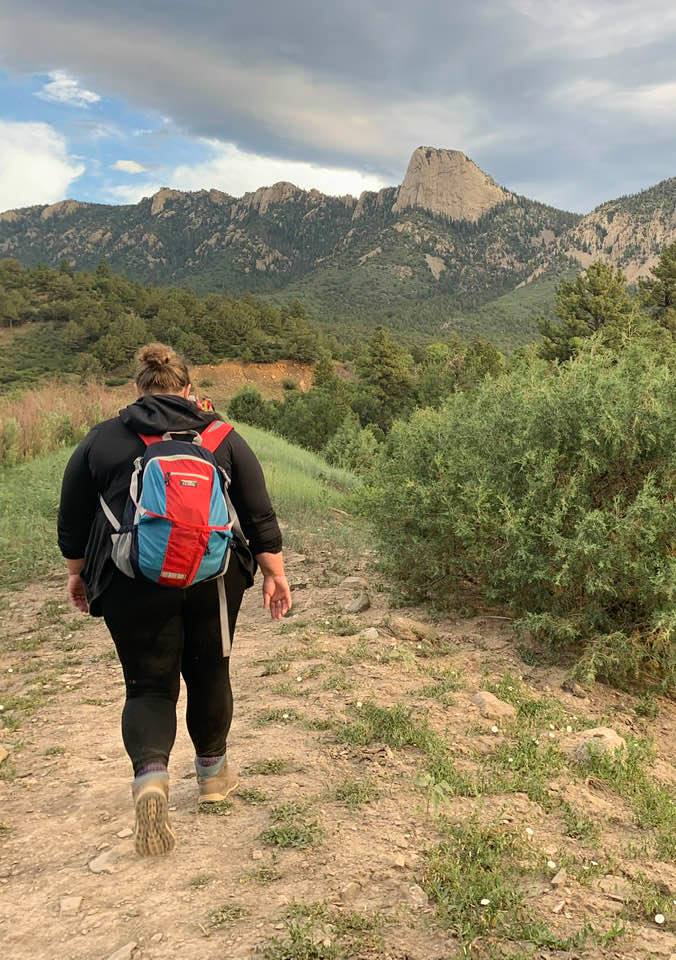
Flora · Philmont Training Center · August 2021
The trail to Lover's Leap · Tooth of Time to the south · before the day got warm
The wedding is in Cimarron. The venue chose itself in 2023, when she and Bill looked at each other across the bedroom at Casa del Gavilan. But the shape of it — the mountains, the craft center, the morning light, Mark at the edge of something high — was already established in August 2021, at the Philmont Training Center, in a canvas tent with bunk beds for the kids.
Remembered
Dr. Oscar N. Garcia
1936 – 2024 · Flora's Father
Oscar Nicolás Garcia was born in Havana on September 10, 1936, graduated valedictorian of his high school class, and left Cuba in 1959 when the university closed around him. He arrived at North Carolina State, earned his bachelor's and master's in electrical engineering, and met Diane — she was at Meredith College, just across Raleigh. They married in 1962 at Liberty Christian Church in Epsom, North Carolina, a congregation Diane's great-great-grandfather Charles Ellis Ayscue had founded in 1859. Most of Epsom came to watch — none of them had ever seen a Catholic. That is where Flora and Ginny come from.
He spent fifty years building engineering programs: Old Dominion, University of South Florida (where he founded the computer science department), George Washington, Wright State, NSF, and finally the University of North Texas, where he served as Founding Dean of the College of Engineering from 2003 to 2008. IEEE Fellow. AAAS Fellow. President of the IEEE Computer Society, 1982–83. Diane moved every time — packed and followed and made each new city home, because that is what it took, and she knew it. Oscar died October 22, 2024, at 88. His name is on a merit scholarship at the university he built. Flora will be married nearly two years after she lost him.
Flora gave the eulogy. Bill was in San Jose with the kids when Oscar died — neighbors and a nanny held things together long enough for him to get coverage, and he took a red-eye to Boston without telling Flora he was coming. He didn't want her worried about logistics while she was with Diane and Ginny. On the plane he bought internet access and spent the flight quietly reviewing her edits to the eulogy text, knowing she was in Walpole preparing to deliver it in a few hours. He walked into the vestibule of the church at ten in the morning, thirty minutes before the service. Diane was there with Ginny. Diane thought nothing of it — of course he was there. Flora came in from practicing and stopped when she saw him. She hadn't known he was coming. She was glad he was there.
And we pray, not for new earth or heaven,
but to be quiet in heart, and in eye, clear.
What we need is here.
Wendell Berry
Duke
Computer Science & Economics
Thinks in systems. Understands what things cost.
UNC
Journalism · 1994–96
Thesis: dismissing the newspaper metaphor for online news. Wrote the future before it arrived.
Fordham Law
Evening Program · IP · Privacy
Law school at night while working full-time. Editor Emeritus, IP/Media/Entertainment Law Journal.
CISSP · IAPP
Certified · Fellow
The credentials are earned, not inherited.
Cyber Security
Scouting America Merit Badge
She helped author it. The loop closes quietly.
DAR
Four Patriot Lines
David Journigan (3rd NC Regiment, 1778) · Ephriam R. Washington (Patriot, 1754–1800) · James Thomas Arrington (Revolutionary Service, 1755–1807) · George Weldin (Revolutionary Service, 1753–1796). Flora is eligible for DAR through multiple direct lines.
Her People
Diane Garcia, 86, Mother of the Bride · Ginny Garcia, 55, Flora's sister & logistics anchor ·
Jean Joyner, 94, Diane's eldest sister · Judy Kallgren, 80, Diane's youngest sister ·
Dr. Oscar N. Garcia, 1936–2024, remembered ·
Charles Ellis Ayscue, 1829–1909, who founded the church · David Journigan, 1750–1796, who served in the Revolution